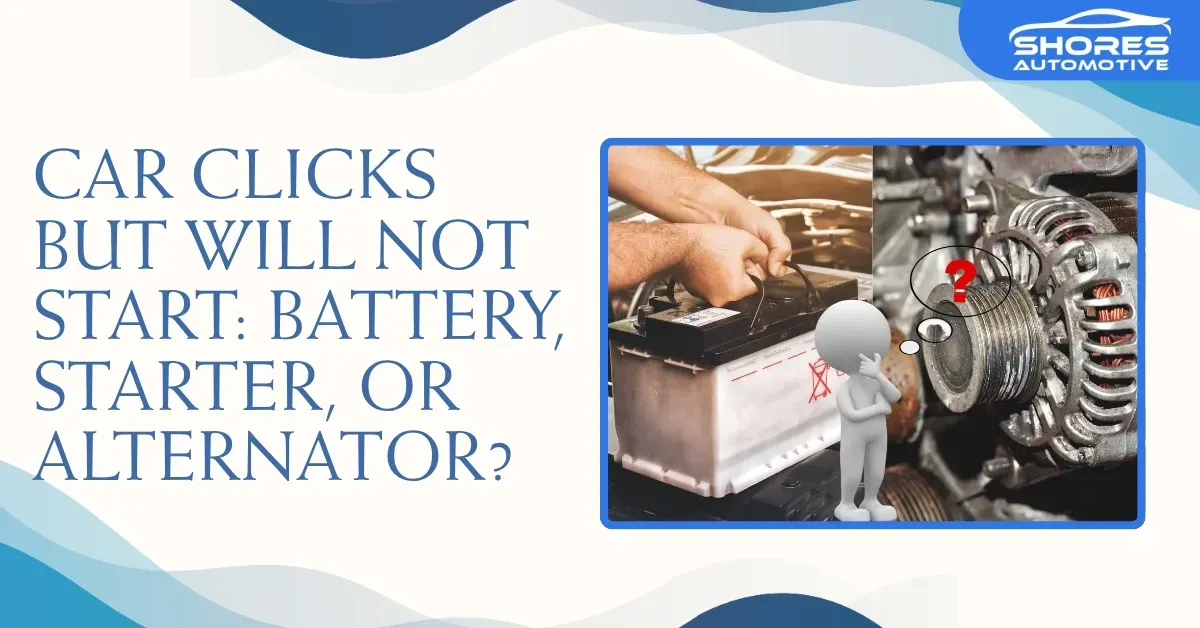
A low oil warning can return even when there is no puddle under the vehicle. The engine may be using oil internally, a leak may be collecting on an underbody panel, or the oil level sensor may be reporting an incorrect reading.
The first step is to identify whether the dashboard is showing a low oil level warning or a red oil pressure warning. These messages describe different conditions and require different responses.
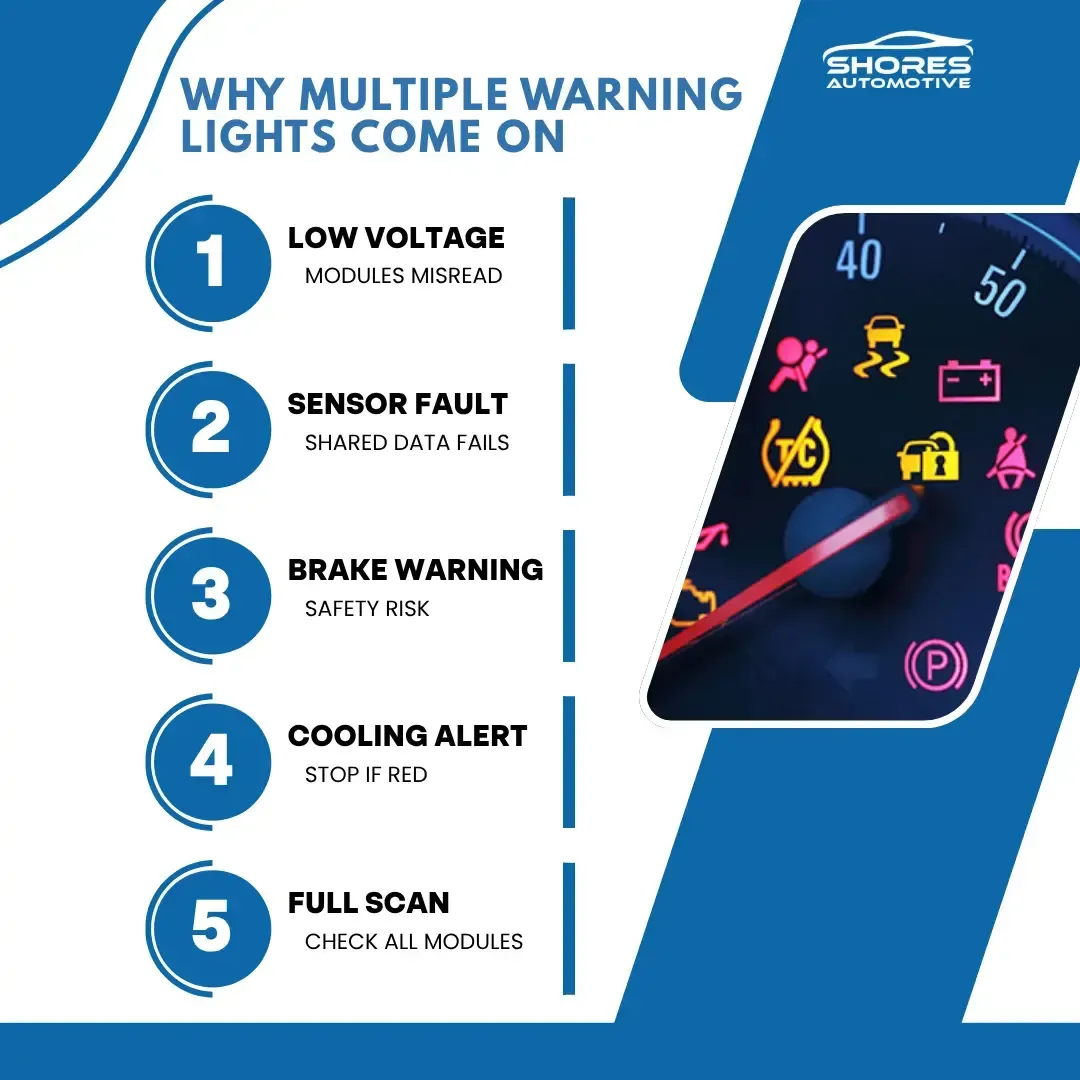
What Does the Clicking Sound Usually Mean?
The click comes from a relay, starter solenoid, or another electrical component attempting to operate. The speed and timing of the sound can guide the first tests, but the technician still needs voltage, current, and circuit measurements to confirm the cause.
Rapid Clicking Usually Points to a Voltage Drop
Rapid clicking often occurs when the starter solenoid engages, battery voltage falls too low, and the solenoid releases. Voltage then recovers slightly, allowing the cycle to repeat. This creates the familiar machine-gun-style clicking sound. A discharged or deteriorated battery is a common cause. The same pattern can also come from loose battery terminals, corrosion, a damaged positive cable, or a weak engine ground. A jump-start that works does not prove the battery is the only problem because the external power source may temporarily overcome cable resistance or a charging-related discharge.
A Single Click Does Not Automatically Mean the Starter Is Bad
One solid click may mean the solenoid received a start command but the starter motor did not turn. A worn starter, damaged solenoid contacts, internal motor wear, or a sticking drive can cause this symptom. The same click can also occur when the battery has enough power to move the solenoid but not enough to crank the engine. High resistance in a cable or ground can produce a similar result. In less common cases, a seized accessory or internal engine problem can prevent the crankshaft from turning, so starter replacement should not be based on sound alone.
No Click Can Point to the Control Side of the Starting System
A no-click condition may involve a discharged battery. It can also come from a start relay, fuse, ignition switch, brake or clutch pedal switch, gear-position input, key recognition issue, immobilizer, wiring fault, or control module. Push-button-start vehicles may display a key, steering-lock, transmission, or battery message that helps narrow the problem.
Battery and Connection Problems That Prevent Cranking
The starter requires far more current than the lights, radio, and instrument panel. A battery can power the dashboard and still fail when the starter places a heavy load on it. That is why bright interior lights do not rule out a weak battery.
Battery Condition Requires More Than a Resting-Voltage Check
A battery may show acceptable voltage with no load and then collapse during cranking. Proper testing considers state of charge, battery condition, temperature, cranking voltage, and the vehicle manufacturer’s battery specifications. If the battery is discharged, the cause of the discharge should also be considered. Battery age can help provide context, but age alone does not prove failure. South Florida heat can accelerate internal battery deterioration, while repeated short trips and long parking periods may prevent a battery from recovering its charge.
Terminals, Cables, and Grounds Can Restrict Starter Current
Loose clamps, corrosion, damaged cable strands, overheated terminals, and poor engine or chassis grounds can create resistance. The connection may look acceptable from the outside while corrosion remains hidden inside a terminal or cable. Voltage-drop testing while the starter is commanded on is more useful than a visual inspection alone. It shows whether excessive voltage is being lost across the positive cable, ground path, terminal, relay, or connection under actual load.
Parasitic Draw Can Leave the Battery Dead After Parking
A parasitic draw occurs when a circuit continues using more power than expected after the vehicle is shut and its modules have entered sleep mode. Interior lights, comfort-access systems, communication modules, aftermarket equipment, water intrusion, and wiring faults are possible sources. Parasitic draw and no-start diagnosis for European cars must account for model-specific sleep times and wake-up events. Opening a door, checking a key, or disconnecting a module during testing can wake the network and distort the measurement. This work is safer and more accurate with the correct service information and test equipment.
Starter Problems That Can Sound Like a Weak Battery
The starter system includes the motor, solenoid, relay or electronic control path, heavy-current cables, grounds, and the mechanical connection to the engine. A fault in any part of that system can cause clicking, slow cranking, intermittent starting, or a complete no-crank condition.
A Failing Starter May Work Intermittently
Internal wear can create dead spots in a starter motor or solenoid. The vehicle may start normally several times and then produce one click without cranking. Heat can also increase resistance, so some starters fail more often after the engine has been driven and restarted hot. Grinding, a high-pitched whir, or continued starter operation after the engine starts requires prompt attention. These sounds can indicate damaged drive components, ring-gear engagement problems, or a control fault that may cause additional damage.
Starter Diagnosis Begins with the Circuit
A technician should confirm the start request, battery condition, voltage at the starter, voltage loss through the cables, ground integrity, and starter-current draw. If those measurements are correct and the engine turns freely, the starter becomes a stronger suspect. Battery and starter diagnostics in Boca Raton, FL, should also check whether the vehicle has stored start-authorization, undervoltage, network, or power-management faults. Replacing a starter without checking the command and power circuits can leave the original no-start unchanged.
Could the Alternator Be the Real Problem?
The alternator normally operates after the engine starts, so it is rarely the component producing the click during a no-crank event. It can still be the reason the battery no longer has enough charge to start the engine.
A Charging Fault Can Leave a Good Battery Discharged
A weak alternator, failed voltage regulator, damaged drive belt, slipping tensioner, wiring problem, or communication fault can reduce charging output. The vehicle may continue running on stored battery power until system voltage becomes too low, then fail to restart after it is shut off. Warning signs can include a battery or charging message, dimming lights, and electrical systems shutting down. Repeated dead-battery events, belt noise, or a vehicle that starts with assistance but soon displays low-voltage faults can also indicate a problem.
A Successful Jump-Start Does Not Confirm the Alternator
If the engine starts with a jump, the immediate problem was insufficient cranking power. The reason may be a weak battery, discharged battery, poor connection, or charging fault. Charging voltage and current should be measured under the correct operating conditions before the alternator is condemned. Do not disconnect the battery while the engine is running to test the alternator. That old method can create voltage spikes and damage electronic modules on a modern vehicle.
European No-Start Problems Can Involve More Than Three Parts
Modern European vehicles use networked modules to approve and carry out a start request. The key or immobilizer, body-control module, engine computer, transmission range input, steering lock, brake switch, battery sensor, and starter-control electronics may all participate in the process.
Low Voltage Can Create Several Misleading Faults
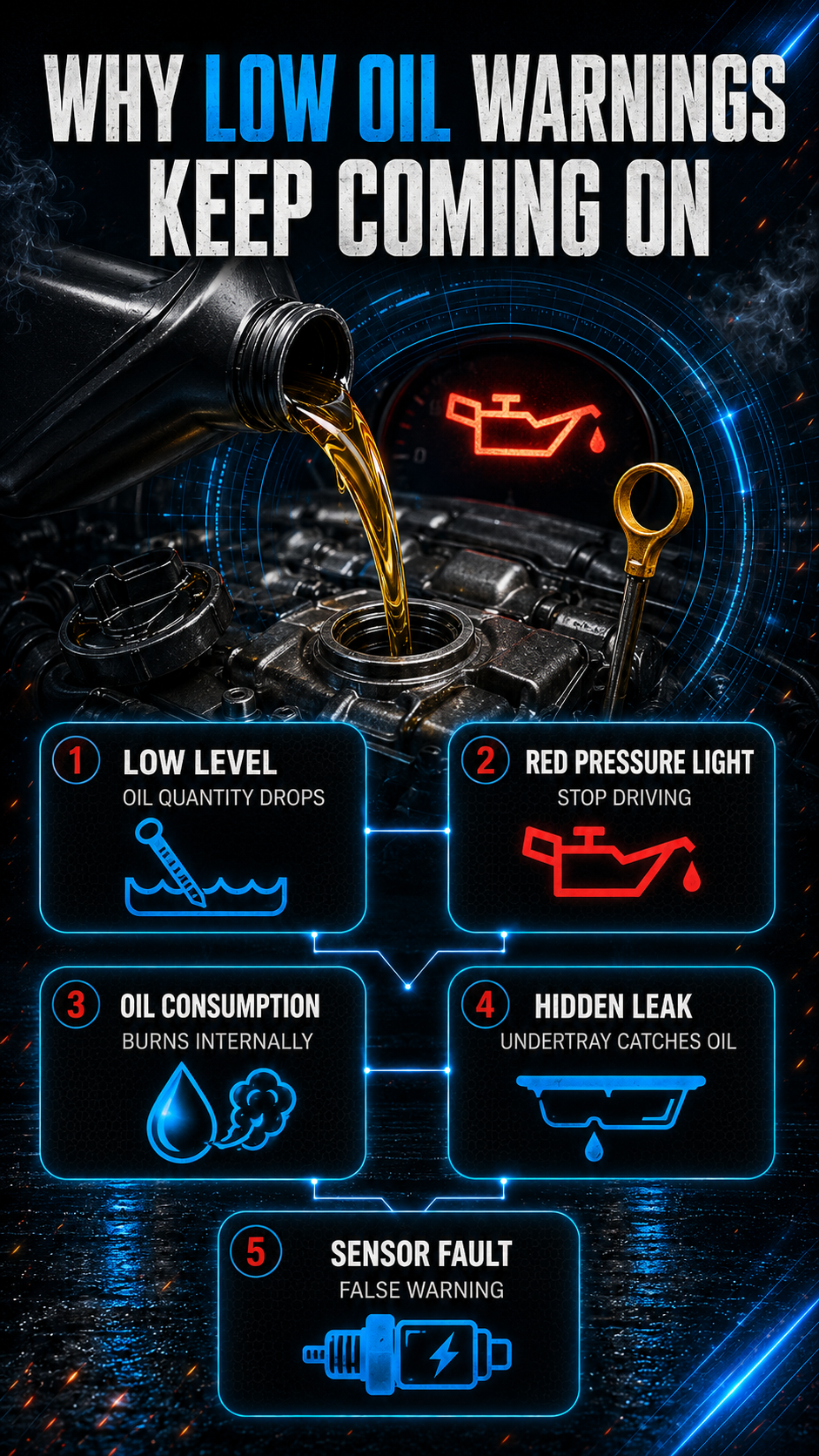
When system voltage falls, several modules may store communication and undervoltage codes. Warning lights, steering or transmission messages, window faults, or key-recognition complaints may appear at the same time. These faults do not always mean every listed system has failed. The battery should be stabilized and the starting concern tested before unrelated modules are replaced. Stored codes, freeze-frame data, and live values can help show whether the faults appeared during a low-voltage event.
Battery Registration or Adaptation May Be Required
Many European models monitor battery age, condition, temperature, and charging demand. After replacement, the vehicle may require battery registration or adaptation. Coding may also be needed when the battery type or capacity changes. The exact procedure depends on the make, model, year, and installed battery. Skipping a required procedure can affect charging strategy, battery life, and stored fault information, so the service plan should follow the vehicle manufacturer’s requirements.
What Should You Do When the Car Clicks but Will Not Start?
Stop repeated start attempts and take note of the sound, dashboard messages, light behavior, and recent history. Record whether the problem occurred after the vehicle sat, after a hot drive, after rain, or after electrical work. These details can shorten the diagnostic process.
Check for Simple and Safe Clues
Confirm that the transmission is fully in Park or Neutral, or that the clutch pedal is fully depressed on a manual vehicle. Make sure the correct key is present and look for key, battery, steering-lock, or transmission messages. Do not reach near belts, fans, or hot engine components. If a battery terminal is visibly loose or the battery case is swollen or leaking, do not attempt another start. Hot cables, a burning smell, or smoke are also signs to stop trying to start the vehicle. Arrange professional assistance and keep sparks or flames away from the battery area.
Jump-Start Only When the Owner’s Manual Allows It
Many European vehicles have designated under-hood jump points, specific connection sequences, and electronic precautions. Follow the owner’s manual and use equipment rated for the vehicle. Do not jump a frozen, cracked, leaking, or visibly damaged battery. Hybrids, electric vehicles, and vehicles with 48-volt systems require special care. Their low-voltage jump procedure does not make the high-voltage system safe to touch. When the correct method is uncertain, use roadside assistance or a qualified repair facility.
Know When to Arrange a Tow
Arrange a tow if the starter grinds, the cables overheat, or you notice smoke or a burning smell. It is also safer to stop driving if the battery is damaged, the engine will not turn, or the vehicle repeatedly loses electrical power. A serious warning message during a no-start condition is another sign that professional assistance is needed. Continued start attempts can damage the wiring, starter, battery, or control modules.
How Professional No-Start Diagnostics Find the Cause
A battery, starter, or alternator problem diagnosis should reproduce the complaint and test the system under load. A quick voltage reading or code scan alone cannot confirm the failed component.
Battery, Cable, and Starter Tests Come First
Testing may include battery state of charge and condition, cranking voltage, positive- and ground-side voltage drop, starter-current draw, engine rotation, and start-command verification. These measurements show whether the starter receives enough power and whether it uses that power normally.
Charging and Parasitic-Draw Tests Explain Repeat Failures
After the engine runs, the technician can evaluate charging voltage, current output, belt operation, battery-sensor data, and electrical load response. If the battery repeatedly goes dead while parked, a sleep-current test can identify the circuit that remains active after the modules should be asleep. Dealer-level or brand-specific software may be needed to read start-authorization, battery-management, immobilizer, engine, transmission, and network data. The test results should point to the repair instead of using the repair as the test.
Schedule European Electrical Repair in Boca Raton, FL
A European vehicle that clicks but will not start needs a test of the battery, cables, grounds, starting circuit, charging system, and relevant modules. Shores Automotive provides dealer-level diagnostics for European and exotic vehicles in Boca Raton, including battery, charging, starting, module, and warning-light concerns. The shop is located at 2544 NW 2nd Avenue, Boca Raton, FL 33431. Qualifying repairs include a 3-year/36,000-mile nationwide warranty. Schedule European electrical repair in Boca Raton, FL, before replacing a battery, starter, or alternator based only on the clicking sound.
Frequently Asked Questions
Can the battery be bad if the lights still work?
Yes, a weak battery can still power lights and accessories because they use much less current than the starter. The battery may lose voltage as soon as the starter places a heavy load on it. A battery test under load provides a more useful answer than light brightness alone.
Does one click mean I need a new starter?
No, one click does not automatically mean the starter needs replacement. It can also result from a weak battery, a high-resistance cable or ground, or a control-circuit fault. An engine that cannot turn can create a similar symptom. Circuit and mechanical checks should confirm the cause first.
Can a bad alternator make the car click?
Yes, a bad alternator can indirectly cause clicking by leaving the battery discharged. The clicking itself usually occurs because the starting system does not receive enough voltage or current. The battery and charging system should be tested together when the vehicle has repeated dead-battery events.
Is it safe to jump-start a European car?
Yes, it can be safe when the owner’s manual permits it and the correct jump-start procedure is followed. Use the designated jump points, correct polarity, and proper connection sequence. Do not jump-start a damaged, leaking, swollen, or frozen battery. Seek assistance if the vehicle displays a serious electrical warning or uses a system you are unfamiliar with.
Does a new European car battery need to be registered?
Many European vehicles require battery registration or adaptation after replacement, while others do not. Coding may be needed when battery capacity or chemistry changes. The correct procedure depends on the vehicle, so follow manufacturer-specific service information.
Get the Right No-Start Diagnosis Before Replacing Parts
When a car clicks but will not start, the battery, starter, alternator, cables, grounds, and electronic controls all deserve consideration. Rapid clicks, one click, and no click help organize the test plan, but none of them confirms a failed part by itself.
Schedule battery and starter diagnostics with Shores Automotive in Boca Raton, FL, to identify why the vehicle will not crank. That allows the repair decision to be based on measured results instead of guesswork.
A car that clicks but will not start usually has low voltage reaching the starter. Excessive resistance in a battery cable or ground, or a fault in the starter circuit, can also cause the problem. The sound provides a useful clue, but it does not identify the failed part by itself. A weak battery is common, especially after short trips, long parking periods, or repeated hot-weather starts. However, a loose connection, failing starter, charging-system problem, parasitic draw, security-system fault, or control-module issue can create a similar symptom. Testing the complete starting and charging system helps prevent unnecessary parts replacement.
Key Takeaways
- Rapid clicking usually means voltage collapses when the starter tries to engage, often because of a weak battery or a high-resistance connection.
- A single click may involve the starter solenoid or motor, but low voltage, damaged cables, poor grounds, or a mechanically locked engine can produce the same sound.
- The alternator does not crank the engine. A charging fault can still cause a no-start by leaving the battery discharged after the vehicle was driven.
- Many European vehicles use battery-management systems, intelligent sensors, and module-controlled starting circuits that require vehicle-specific testing.
- Battery, starter, alternator, and parasitic-draw tests should be completed before parts are selected.
Get started today
Mon – Fri | 7:30am – 4:00pm
Sat – Sun | Closed